
Home / Blog / Auto Insurance / Insurance for Electric Cars
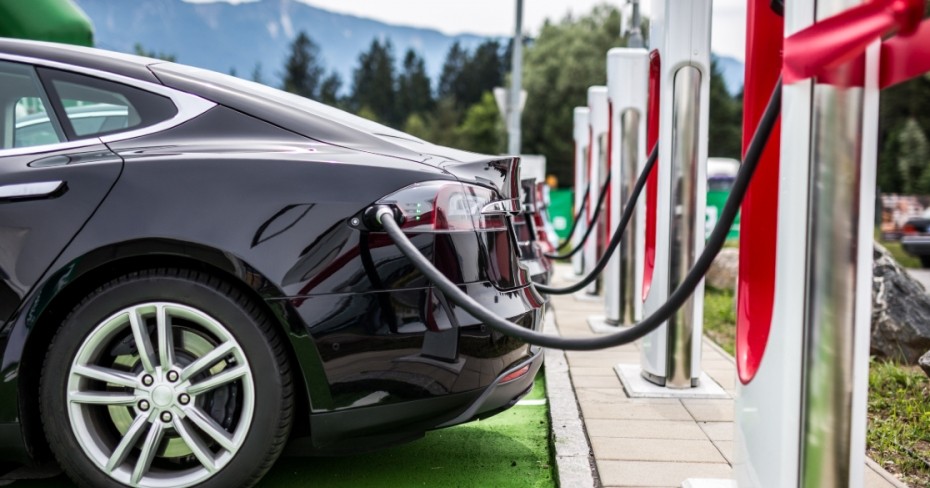
Electric car insurance is standard auto insurance for an electric vehicle (EV) — you buy the same liability, collision and comprehensive coverage as for a gas car. EVs usually cost more to insure because they are more expensive to repair and replace, especially their batteries. According to Insurify, EV owners pay an average of $3,159 per year, about 42% more than the $2,218 average for gas-powered vehicles. Premiums vary widely by model and insurer, so comparing quotes can make a big difference.
Free Car Insurance Comparison - Save up to 30%
No junk mail. No spam calls. Free quotes.
No Signup required
The popularity of electric vehicles is on the rise, and it’s not slowing down anytime soon. In fact, over 10 million electric vehicles were on the road globally in 2020, which is five times as many as in 2016. And with government rebates on electric vehicles helping with the purchase price, the decision to go electric is an easy one for many drivers.
Keep in mind that while electric vehicles are popular because they aren’t reliant on fossil fuels, they aren’t completely sustainable; the lithium batteries they use aren’t renewable. As a consumer, it’s important that you know the facts.
If you’ve made the choice to go battery operated, you’ll want to consider car insurance for electric vehicles and what that can mean for your wallet.
Electric vehicles are still typically more expensive than regular cars, although that should continue to go down as electric vehicles are gaining more traction in the market. But in the meantime, this does make electric vehicles more expensive to insure, both because of the higher purchase price and repair costs.
If you submit a claim on your electric vehicle, insurers know they’re going to have to pay more to replace or fix that vehicle than they would for non-electric vehicles. As a result, your premiums will be higher to reflect that higher financial risk.
The good news is that electric vehicles and their insurance are already more affordable than they were when the vehicles were first introduced, and this will continue to get better over the coming years.
Free Car Insurance Comparison - Save up to 30%
No junk mail. No spam calls. Free quotes.
No Signup required
Usually, yes but not for every model. EVs tend to have higher purchase prices, specialized parts and repairs that fewer shops can handle, and batteries that can cost thousands of dollars to replace. Some EVs, however, cost about the same to insure as comparable gas models.
| Vehicle Type | Models | Average Annual Premium Range |
|---|---|---|
| Higher-cost EVs | Tesla Model 3, Tesla Model X | $4,474 – $4,489 |
| Lower-cost EVs | Chevrolet Equinox EV, Hyundai Ioniq 5, Cadillac Lyriq | $2,512 – $3,390 |
| Comparable gas vehicles | Cadillac XT5, Toyota RAV4, Hyundai Kona, Chevrolet Silverado, Audi Q5 | $2,474 – $3,011 |
Your electric auto insurance quote will depend on a variety of factors. Just like with insurance for standard vehicles, the rate you get will depend on everything from your age, gender, vehicle make and model, driving history, and more. It’ll also vary across providers, so it’s important to compare electric car insurance before signing on the dotted line.
The fact of the matter is that while you’ll be saving at the gas pump, you’re going to pay more on insurance on electric cars: it can be as much as double the cost of regular auto insurance.
But that doesn’t mean you can’t find savings. Ask insurance providers for discounts, such as for bundling insurance policies and being a good driver, and take advantage of every government rebate you qualify for.
| Insurer | Average Monthly Premium Range for EVs (Liability-Only to Full Coverage) |
|---|---|
| COUNTRY Financial | $48 – $89 |
| Auto-Owners | $60 – $110 |
| USAA (military members, veterans and families) | $71 – $145 |
| State Farm | $78 – $164 |
| Mile Auto | $90 – $152 |
| NJM | $97 – $139 |
| Allstate | $99 – $200 |
Only in certain situations. If your battery is damaged in a covered event such as a collision, fire, flood or theft collision or comprehensive coverage may help pay to repair or replace it, minus your deductible. Car insurance generally does not cover battery wear, gradual loss of range or mechanical failure. Those issues are typically handled by your manufacturer’s battery warranty, so check how long your warranty lasts and what it covers.
A permanently installed home charger is often treated as part of your home, so it may be covered by your homeowners insurance for covered events such as fire. A portable charging cable may be covered differently depending on your policies. Coverage varies, so ask your home and auto insurers how they treat EV charging equipment, and have chargers installed by a qualified electrician.
EVs need the same coverage as any car: your state’s required liability coverage, plus collision and comprehensive if you want protection for your own vehicle (usually required if you finance or lease). Because EVs can lose value quickly and cost more to repair, many owners also consider higher liability limits, gap insurance for financed EVs, and roadside assistance that includes towing to an EV-certified repair shop.
Insurance for electric cars is much easier to get than it used to be. In fact, most insurance providers offer some form of car insurance for electric vehicles.
The coverage is the same as you’ll find on standard auto insurance policies, including comprehensive, collision, liability, and bodily injury. You can pick and choose your coverage, just like you would with any other policy.
There are even some insurance providers that offer discounts specifically for electric vehicles, although these can be harder to find.
Free Car Insurance Comparison - Save up to 30%
No junk mail. No spam calls. Free quotes.
No Signup required
Not all insurance for electric vehicles is made equal. Your best bet will be to shop around for coverage, request multiple quotes, and compare policies to find the best insurance for electric cars.
Tesla is one of the predominant electric vehicle manufacturers in the market and they’ve started offering their own insurance on electric cars, called Tesla Insurance. While only available in a few U.S. states, for now, Tesla Insurance has plans to expand nationally. Tesla Insurance is similar to insurance for other electric vehicles and rates depend on your unique profile, including driver history, age, vehicle model, and more.
So, is insurance higher for electric cars? Yes, but you can find savings. Plus, as electric vehicles take over more and more of the market share, the purchase price and cost of repairs will become more competitive and, in turn, insurance costs will go down.
The decision to go electric is a big one, but don’t let insurance for electric cars deter you: you can find affordable insurance for electric vehicles and get the coverage you need, and it’ll keep getting easier.
Usually, yes. According to Insurify, EV owners pay an average of $3,159 per year, about 42% more than the $2,218 average for gas-powered vehicles. Some EV models cost about the same as comparable gas cars.
According to Insurify, EV insurance averages about $263 per month, but costs vary widely by model, insurer, state and driver profile.
Among the popular EVs in Insurify’s 2026 comparison, the Chevrolet Equinox EV and Hyundai Ioniq 5 had some of the lowest average premiums, while the Tesla Model 3 and Model X were among the highest.
In Insurify’s 2026 data, COUNTRY Financial, Auto-Owners and USAA had some of the lowest average EV rates. Availability varies by state, and USAA is limited to military members, veterans and their families.
Only if the battery is damaged in a covered event, such as a collision, fire or theft, and you have collision or comprehensive coverage. Normal wear and battery degradation are not covered by car insurance.
According to Insurify, EV battery replacement can cost about $4,000 to $20,000, depending on the vehicle.
A permanently installed home charger may be covered by homeowners insurance as part of your home. Coverage varies, so check with your insurer.
No. EVs use the same types of coverage as gas cars. However, you may want higher limits, gap insurance or EV-friendly roadside assistance because of higher repair and replacement costs.

Lauren Lewthwaite Lauren Lewthwaite has been freelance writing for almost five years writing content that ranges from health to insurance and everything in between. Lauren is also a trained translator in French and English and is a dog-mom to an adorable Australian Shepherd.

